


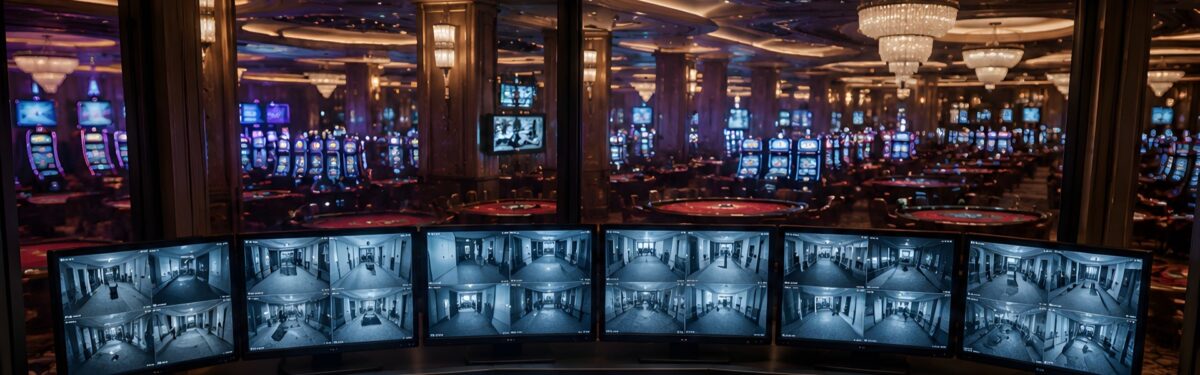

Casinos face security challenges that surpass those of most hospitality venues. Crowds move through the property around the clock. At the same time, substantial financial transactions flow across tables and machines on the casino floor. Add complex gaming operations and a large digital infrastructure, and the security stakes multiply fast.
Modern casino security combines surveillance, access controls and cybersecurity protections with a reliable network foundation. Real-time visibility helps teams identify issues and respond quickly.
A layered security solution can also help protect:
- Guests
- Employees
- Financial assets
- Gaming operations
- Other sensitive information
Critical Components of Casino Security Technology
Casino security relies on several connected technologies. Each plays a specific role in protecting the property. Together, they form a broader security strategy.
Casino Surveillance Systems
High-definition cameras give security personnel a real-time view of gaming floors, entrances, cashier areas and other key spaces. A centralized surveillance system brings camera views into one location. This makes it easier for teams to monitor activity without searching through separate video feeds
Access Control Technology
Access controls determine who can enter restricted areas and when. Casino operators can assign permissions based on an employee’s role. Some employees may need access to cash-handling areas or technical facilities. Others may only need access to general employee areas.
Badges, keys and other credentials create records of access to these areas. Connecting access control with video surveillance can give security teams additional context. Teams can compare access records with surveillance footage when reviewing activity in a restricted area.
Network Security and Segmentation
Casino networks support much more than guest internet access. The property network may connect gaming and payment systems, surveillance cameras, employee systems and Internet of Things (IoT) devices.
Network segmentation separates guest WiFi from business-critical systems. This helps keep guest activity from sharing the same network segment as operational technology. It can also help gaming, payment and security systems operate without interference from spikes in guest traffic.
Real-time Monitoring and Incident Response
Monitoring tools show security and operations teams what is happening across the property. Instead of waiting to discover a problem after it occurs, teams can monitor systems and respond as situations develop.
Casino Security Across the Property
Security needs can change dramatically from one part of a casino property to another. A gaming floor does not face the same risks as a server room, parking garage or hotel lobby. An integrated approach helps teams maintain visibility across these different environments without disrupting the guest experience.
- Public use: Guest security should support a sense of safety without creating unnecessary friction. Surveillance and monitoring help teams maintain visibility across gaming floors, lobbies, dining areas, entrances and other high-traffic spaces. Connected security systems can extend that coverage to parking lots, garages and exterior areas. Reliable employee communications also help teams coordinate when an issue arises.
- Back-of-house: Many critical casino systems operate out of the guest’s view. These systems can also create security risks. Payment systems, surveillance equipment, internal communications, employee systems and connected devices all require protection. Access controls can restrict entry to sensitive spaces. Network segmentation can also keep operational technology separate from guest-facing internet access.
- Large resort properties: Casino resorts bring many environments together in one place. These may include gaming floors, guest rooms, restaurants, theaters, retail spaces and convention areas. Each has its own security and network needs.
Large resorts also have many entrances, exits and indoor and outdoor spaces. They operate 24/7 and may see sharp increases in traffic during major events. Integrated infrastructure can help teams coordinate security across the property as demand shifts.
A Layered Approach to Casino Security
No single security solution can protect an entire casino. Surveillance, access controls, cybersecurity tools and monitoring systems need to work together across gaming areas, guest spaces and back-of-house operations. A reliable network connects these layers and gives security teams access to the information they need.
This connected approach supports several key priorities:
- Reliable performance: Cameras, access controls, sensors and monitoring platforms depend on the network to share data and remain available. Network monitoring can help teams identify performance issues before they disrupt critical systems.
- Real-time response: Security teams need current information to investigate unusual activity and coordinate a response. Reliable communications also help employees stay connected across large casino and resort properties.
- Compliance support: Surveillance footage, access records, activity logs and incident documentation can help casinos meet applicable gaming and property requirements. Operators should plan for camera coverage, video retention and other requirements when designing their systems.
- High-demand operations: Large resorts may have many connected security devices operating at once. The network must support these systems even when major events or high occupancy increase overall demand.
- Room to grow: Security risks, regulations and technology change over time. A flexible network and security strategy make it easier to add new devices or capabilities without rebuilding the entire infrastructure.
By planning security, network performance and compliance together, casino operators can create a stronger foundation for both daily operations and future needs.

Building a More Secure, Connected Casino Environment
Effective casino security brings together people, processes, physical security systems and network infrastructure. Casino security teams have many areas to protect at once. They may monitor the gaming floor while also protecting cash-handling areas, employee systems and digital technology. Guests, meanwhile, expect to move easily between hotel rooms, restaurants, entertainment spaces and other parts of the property.
A reliable network helps each piece of the security strategy perform consistently. It keeps connected cameras, access controls, monitoring platforms and employee communications working across a large property. Flexible infrastructure also gives casino operators room to add new devices and capabilities as operations evolve.
The goal is a security solution that supports guest safety, reliable operations and applicable regulatory requirements without compromising the experience guests came for. Spectrum Hospitality Network provides technology and network solutions for complex hospitality environments, including resorts and casinos. The right infrastructure helps casino operators connect critical systems and support daily operations. It also gives properties room to adapt as technology needs change. Request a consultation to discuss your property’s technology needs.
FAQs
What technology is used for casino security?
Casinos use video surveillance, video analytics, access controls, network monitoring and cybersecurity technology to protect their properties. Sensors, secure employee communications and other connected devices can provide additional visibility. Network segmentation and centralized monitoring help bring these technologies together as part of a layered security solution.
How do casinos stay secure?
Casinos combine physical and digital security instead of relying on one system. Surveillance helps teams monitor activity, while access controls restrict sensitive areas. Secure, segmented networks help protect critical operational systems. Trained security personnel, established response procedures and reliable communications also play important roles.
Why do casinos need advanced surveillance systems?
Casinos manage large numbers of guests and employees while significant financial transactions take place around the clock. Surveillance systems give security teams real-time visibility across busy gaming and public areas. Recorded footage can also support investigations and regulatory requirements. Video analytics may provide another tool for identifying activity that requires closer review.
Why is network security important for casinos?
Casino networks support guest, employee, gaming, security and operational technology at the same time. Network segmentation keeps guest traffic separate from critical systems. Secure infrastructure and ongoing monitoring can also help casino operators identify network issues before they affect operations.
How does real-time monitoring improve casino security?
Real-time monitoring gives security teams a current view of activity across large, complex properties. Teams can identify potential issues sooner and access the information they need to respond. Centralized monitoring also helps coordinate security across multiple areas instead of treating each location as an isolated environment.
How does network segmentation support casino operations?
Network segmentation groups network traffic based on its purpose and security needs. A casino may separate guest WiFi from payment, gaming, employee and security systems. This separation helps protect critical systems. It also keeps heavy guest traffic from competing directly with operational technology.
What should casinos consider when upgrading security technology?
Casino operators should consider property size, layout, existing infrastructure and network capacity. They should also review surveillance, access control and security needs along with applicable gaming regulations. Operators should plan for future growth as well. A flexible security system and network foundation make it easier to add technology as needs change.